The Cost Of Vendor Downtime: Why Third-Party Risk Management Is A Business Essential?

 3 Dec 2025
 Reading Time : 4 Minutes
A financial services company went out of business because of a bug in a vendors software, which shows how bad vendor downtime can be for businesses. To keep the business operating, its important to have good Third-Party Risk Management (TPRM) tools that use AI and are always being watched. These programs keep the business from stopping and maintain its reputation.
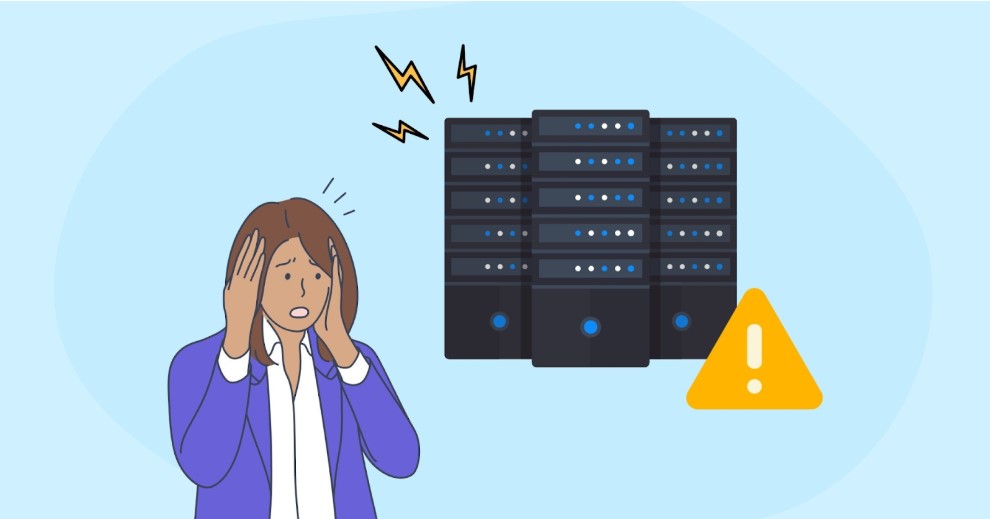
A major financial services firm outsourced its core IT security monitoring to a smaller, specialized vendor. Everything seemed fine on paper. One day, all of a sudden, a minor system update sent by that vendor—a simple, minor change—introduced a bug. This was more than just a small error; it caused a catastrophic, cascading system failure that affected each and every aspect of the business's operations. The whole business was down completely. Millions of customers were affected and unable to access their funds, trade, or even obtain accurate balance information for almost an entire day.
Businesses in today's digital economy rely on tens, if not hundreds, of outside vendors to provide essential services like payment gateway, third party APIs for depend on reusable data, cloud services to host their applications etc. Outsourcing increases efficiency and cost, but it also creates a complex network of dependencies. If one system that your business depends on fails, the ramifications could swiftly spread throughout the network, resulting in operational paralysis.
The outcome result was harsh: a big financial loss due to halted business operations, a drop in company stock prices, and a surge of adverse media coverage that impacts negatively. But the worst part was the big blow to customer trust. It took months and massive spending on PR campaigns to even start rebuilding their reputation. And all of it, ultimately, was caused by a vendor they thought they could trust implicitly.
The fallout was a stark, real-world demonstration of how a single third-party failure can risk the very survival of your company.
How To Mitigate Vendor Failures?
The company's story shows you can't just sign a contract and walk away. You need a proactive defense, and that's where a robust Third-Party Risk Management (TPRM) program, supported by the right tools, becomes crucial.
TPRM is not a check-the-box type of compliance; rather, it's a strategic imperative. It helps companies to recognize, evaluate, keep an eye on, and reduce the risks that come from outside partners. A well-developed TPRM program works in tandem with the procurement, legal, IT, and compliance departments to guarantee robust and effective vendor relationships.
The "How" of Protection
-
Risk Tiers, Not Blanket Checks: You don't assess the risk of your cleaning service the same way you assess the risk of a vendor handling your customer data. By using Third part risk management tools, you can tier your vendors according to their critical status and the sensitivity of the data they touch. You can now focus your limited resources on the most vulnerable relationships. Tiering can also facilitate more efficient audits and reporting. Regulators are expecting companies to demonstrate their understanding and management of third-party risks. Businesses can effectively create oversight resources and justify their approach to compliance reviews by categorizing vendors as low, medium, or high risk.
-
Due Diligence Is Ongoing, Not One-Time: The company's vendor probably looked fine when they signed the contract. A strong TPRM program mandates continuous monitoring. This means:
-
Financial Health Checks: If your primary supplier is about to file for bankruptcy, you should be aware of this before they cease to provide.
-
Security Posture Audits: The technologies may continuously scan a vendor's network for new vulnerabilities or breaches, providing early warning signs that its security is deteriorating.
-
Contract Clarity and Resilience: Your agreements must be crystal clear. Business Continuity Plans (BCPs) and Service Level Agreements (SLAs) are tracked and managed with the aid of good tools. You must understand: How soon can I switch to a backup if this vendor fails tomorrow, and what actions are they legally required to take to assist?
-
Compliance Tracking: If your vendor violates a regulation like GDPR or HIPAA, you are often the one facing the massive fines. TPRM solutions help ensure all your third parties are meeting the necessary regulatory compliance standards specific to your industry. The continuous monitoring would also include tracking geopolitical risks, legal disputes, and reputational issues. For instance, in the event of your vendor being embroiled in some data privacy scandal or sanctioned by a foreign government, your business might be facing indirect exposure. Advanced TPRM platforms integrate external intelligence feeds to alert you to such developments in real time.
The Role of AI and Automation in TPRM
Artificial intelligence is transforming the way businesses manage third-party risk. Machine learning algorithms examine supplier behavior to detect abnormalities and predict problems before they occur. Automation systems can help to speed up onboarding, document collection, and compliance monitoring. By decreasing physical work, these innovations free up risk teams to focus on strategic decision-making. AI-driven TPRM systems have the flexibility and intelligence required to stay proactive in the face of threats that are changing at an astounding rate.
The Right Tools Are The Lifeline
It’s about moving from reacting to problems (like companies') to proactively managing risk. A solid TPRM platform acts as your central hub, giving you a clear, continuous view of all your vulnerabilities outside your four walls. It stops you from flying blind and ensures that an update from a tiny vendor doesn't bring your entire global operation to a halt. It’s an investment that pays for itself ten times over when it prevents that one catastrophic failure.
Automation and scalability are made possible by contemporary TPRM platforms. As a vendor ecosystem expands, tracking everything manually becomes practically impracticable. These systems provide automated onboarding processes, risk assessment, document gathering, and remedy monitoring. They also give executives data and insights that enable them to make informed choices regarding vendor relationships and risk exposure.



Subscribe & get all related Blog notification.




Post your comment