How AI Is Transforming Digital Image Protection

 11 Feb 2026
 Reading Time : 8 Minutes
Visual watermarks and metadata are being replaced by AI in digital image security. Image theft, AI training data scraping, brand impersonation, and deepfakes have rendered standard protection methods ineffective. Intelligent watermarking, image fingerprinting, and forensic detection can scale image protection, track misuse, and validate authenticity. In an AI-driven digital environment, these technologies protect visual material for creators, brands, and platforms.
It is a common case that occurs where any photograph of good quality might simply be copied and then shared all over the internet without the owner's permission, or in other cases, you might use any person's picture, but they do not even become aware of it. As images throughout the internet become more digital, more emphasis is being put on how to appropriately protect them.
On the same note, artificial intelligence is also changing how images are created and edited online. With this, images are being improved, and realistic image editing has become possible. This has made it difficult to hide images online since it becomes easy to recreate them. This technology has also changed image protection techniques as they are no longer effective. What worked some time back may not work today.
The question now is: How do you protect images by creators, companies, and brands? Do watermarks and meta-data embedded images still work? What role is played by artificial intelligence for image misuse detection and authenticity preservation?
As part of our guide today, we will discuss how AI is changing the digital image protection space. You will discover why these existing solutions are no longer working properly and how these new technologies will solve the problem for you going forward into 2026 and beyond.
Modern Threats for Digital Images
Once an image is online, managing where it travels is beyond human control. An image may start as a single post on a site that disseminates it to multiple online platforms without giving it due credit. This is where the real threat of image theft and abuse is about to surface.
Today, digital images are often misused in following ways:
-
Unauthorized Use of Images: Reproduction and usage on the websites and social networks without permission. The images get reproduced and used on the websites, blogs, e-commerce platforms, advertisements, and social media; this also makes their copyrights be highly infringed and not owned.
-
AI Training Dataset Scraping: Images are usually scraped en masse for image training, which does not involve any form of consent or compensation on the side of the creators of such images.
-
Brand Impersonation and Visual Abuse: Fake profiles are created through brand logos, product pictures, and brand-related imagery that compromise trust and brand reputation.
-
Visual Misinformation & Images: Advanced technology for photo editing, combined with the emergence of deep fake images, means it is now easier than ever for untrue information to be presented using misleading images, either out of context or fabricated altogether.
However, it is the nature of these threats that makes them particularly difficult to combat, as they often do not operate in isolation, with images being plagiarized and sometimes slightly altered to help hide them from their origins before being put to misleading or detrimental use. As the threat of the misuse of AI images continues to grow in its complexity, tracing images to their origins and changes becomes significantly more difficult to do, especially when traditional measures of protection are being employed.
Why Traditional Image Protection No Longer Works
Until now, content developers have relied on a few well-known approaches to safeguard their visual information. It is to be mentioned that the approaches that had developed the foundation for traditional image protection were best applicable to a pre-AI internet. The limitations have been highlighted in the current AI-driven internet.
Visible watermarks
Even visible watermarks, which used to be a powerful measure, come with important trade-offs, as they, while perhaps serving as a viable deterrent against misappropriation, do so at the cost of visual quality, which distracts from the matter at hand. Most importantly, modern AI can usually remove such visible watermarks with little hassle, demonstrating the limits of image watermarks.
Metadata and EXIF data
The metadata information and EXIF data may hold the ownership details or copyright information, but by default, it is a fragile method. In most cases, various platforms have started stripping this data when a file is uploaded, while anyone with basic editing skills can easily remove this data from the file. As stripping of metadata becomes more prevalent, this method is no longer viable by default.
How AI Is Transforming Digital Image Protection
The limitations of conventional approaches have given rise to a pressing necessity for developing more innovative and robust means for protecting digital images. This is where artificial intelligence plays its part. For instance, artificial intelligence solutions are specifically carefully crafted to detect and protect digital images at a much higher scale than what would have been possible through conventional means. It includes image fingerprinting as well as deepfake detection.
Many modern image recognition tools use AI-based fingerprinting and pattern analysis to track images across the web and detect unauthorized use.
One kind of technology available to us, which is useful and which everyone uses in their day-to-day lives, about which everyone should be aware, and which every computer and image uses is intelligent watermarking. Also, intelligent watermarking is different from other kinds of watermarks as the mark that is added to the image, once added, can never be seen by the naked eye. This tool, therefore, gives artists ultimate ownership over their images.
Intelligent watermarking systems, therefore, can withstand any form of resizing, cropping, compressing, and even other modifications to images, allowing artists to have ultimate ownership even after their images have been tampered with. Furthermore, some intelligent watermark systems can also detect watermarks on images without access to the original images.
AI-Powered Intelligent Watermark
However, with the help of modern AI tools available today that assist developers with image watermarking, it is now possible to watermark photos which can still be detected despite high levels of image modification. This is a giant leap from what has always been possible.
Some of the key advantages of AI-powered watermarking include:
-
Invisible, yet durable: Embeds ownership details without affecting aesthetics.
-
Resilient against edits: Withstands resizing, cropping, compression, as well as slight color changes.
-
Detection without originals: Verifies image ownership without the presence of the original file.
-
Automation at Scale: Offers protection for large image libraries at a specific scale.
-
Integration with AI monitoring: Integrates with other image tracking systems to track abuse activities.
Accordingly, the combination of the three concepts of invisibility, robustness, and automated detection offered in AI watermarking creates an effective solution to address the concerns in the above sections. In addition, it bridges the gap between the capabilities of humans and the rapid development of AI-based image abuse, making it a fundamental concept towards the protection and preservation of images digitally.
AI for Detection of Image Manipulation & Deepfakes
Consequently, apart from deterring unauthorized usage, protection of digital images will be characterized by issues of authenticity. As a result of AI-generated and altered versions of digital images, it is becoming difficult to distinguish between a genuine and artificially edited version of a digital image. For example, the advent of AI has allowed the analysis of digital images on a granular level, a phenomenon that would be almost impossible with the naked eye.
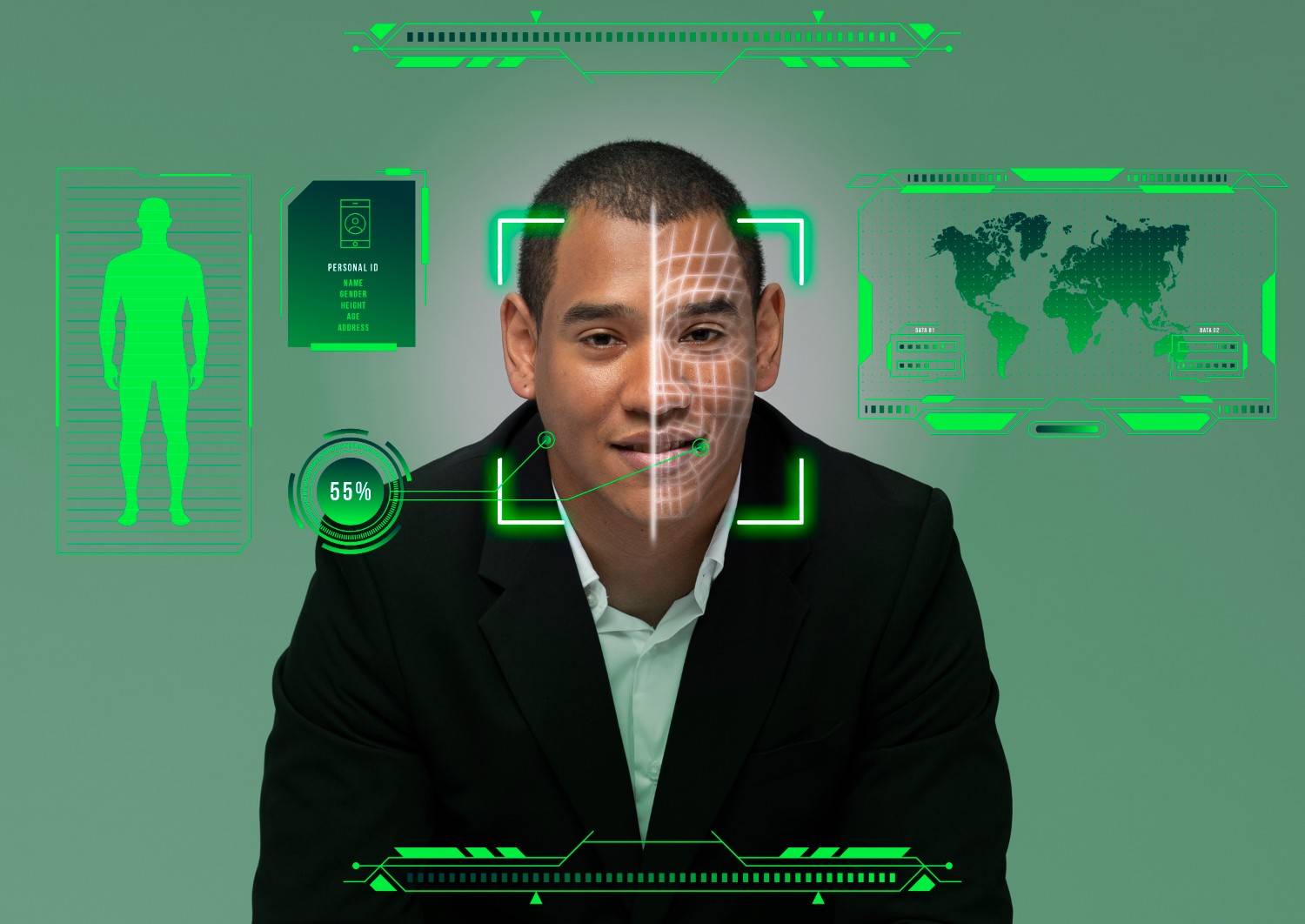
These AI-powered forensic techniques are also widely used in identity verification software to confirm image authenticity and detect manipulated or deepfake photos.
An important aspect of current AI technology is that it employs a range of forensic practices to monitor any manipulations. It is, therefore, possible to verify the authenticity of any image at a pixel level, making an assessment of any form of image integrity a vital process.
Standard AI techniques for detecting image manipulation include:
-
Pixel-level forensic analysis
-
Frequency domain analysis
-
Detection of AI-generated artifacts
-
Cross-referencing with known image fingerprints
Such forms of detection, coupled with watermarking and fingerprinting technologies, provide what is basically a multi-layered security system through the application of AI technology. There is not only protection from theft, but images are also ensured to be authentic through these technologies.
Real-World Applications of AI Image Protection
For example, protection of AI-generated images is not just a hypothetical concept; rather, it is being applied across a number of industries to build trust and ensure that there isn’t any form of exploitation. By examining such practical applications of AI, it is easy to see its significance.
Content Creators Protecting Original Work
Freelancers, photographers, and digital artists may choose to display their work online to gain a following base, but doing this can also mean potential problems. Artificial Intelligence watermarking and image recognition help artists protect their digital work by ensuring that ownership can be traced, even if their work is copied or altered.
Stock Photography Platforms
Stock photo sites contain thousands of photos that earn the site and all contributing photographers money. AI technology is implemented to prevent any misuse of copyrighted content, detect any photo being reposted without the original author's permission, and facilitate the execution of copyright procedures.
Final Thoughts
Digital images are not just content, they are important assets related to creativity, identity, and revenue. It is to be understood that in today’s high-speed, AI-savvy world, the conventional approaches to image protection such as "basic watermarks" and "reverse image searches" are no longer effective.
The Key takeaway: Don't wait for the theft to happen, take control and proactively protect your images using AI to remain in control, keep your brands safe, and protect your image content online.




Subscribe & get all related Blog notification.




Post your comment