How IoT Is Transforming Fleet Management Through Real-Time Visibility

 17 Feb 2026
 Reading Time : 4 Minutes
IoT is transforming fleet management by providing real-time data on vehicle location, driver behavior, route efficiency, and maintenance needs. With connected sensors, telematics, and AI-driven insights, fleet managers can monitor operations, reduce fuel consumption, improve safety, and optimize schedules. This data-driven approach helps businesses cut overhead costs, enhance service quality, and shift from reactive fixes to proactive, efficiency-focused operations.
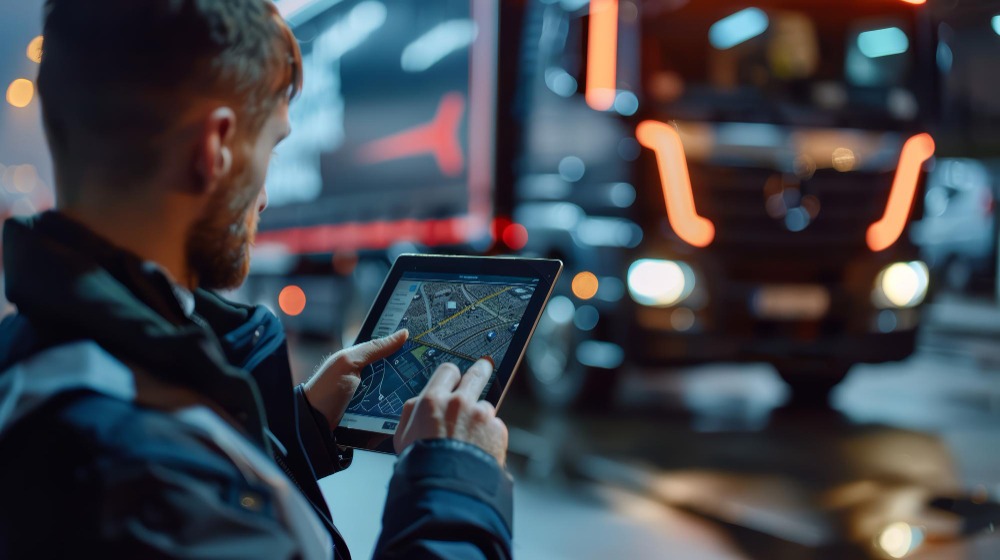
In industries like transportation where operating margins tend to be fairly tight, efficiency is critical. Businesses that rely on a fleet of vehicles must ensure that they are doing everything possible to maintain efficiency in vehicle performance, transportation schedule, and driver behavior.
Many of these IoT-driven capabilities are powered by modern Fleet Management Software platforms that centralize data, tracking, and automation.
Automation is a key tool in achieving this goal. With the Internet of Things, fleet managers can use tools to track everything from vehicle location to engine performance. Utilizing the latest tools and systems can help managers increase their overall efficiency, lower overhead, and improve service outcomes.
Provide Key Data for Process Improvements
Many fleet managers are surprised to discover how much inefficiency they allow to happen simply because they lack the information to assess or improve it. Data is the most important weapon in the battle against waste. Use of IoT tools is one of the primary benefits of fleet management.
With data coming from sensors, GPS, and other technologies, managers can gather information and generate insights about the following:
-
Driver behaviors
-
Vehicle locations
-
Vehicle health and performance
-
Optimal routes
-
Maintenance schedules
With a steady stream of data, managers can determine how to improve processes for greater efficiency and customer service.
Create Real-Time Visibility
Although data collection is an important practice, fleet managers also must be able to process it into useful insights. IoT provides practical data that telematics and other tools can transmit the information to managers. Technologies, like artificial intelligence, process the data and serve insights to administrators and managers. These real-time insights create unparalleled visibility into the function and processes of the fleet, highlighting risks and inefficiencies. High visibility can translate into fewer accidents, better service, and greater operational efficiency.
Monitor Driver Behavior
Driver behavior is a common concern for efficiency and practicality. Drivers are human, which means they may take longer breaks, choose a suboptimal route, or idle the engine unnecessarily. Many drivers may not even realize the total cost of these inefficiencies in terms of time to arrival at destination and expense to the company. Monitoring driver behavior is a key aspect of process improvement, particularly for compliance and customer outcomes. IoT devices can track these actions and assign scores to driving quality or alert managers to the presence of certain dangerous behaviors, like swerving or high speeds.
Identify Fleet Location
Organizations with a fleet of vehicles may need to know where each truck sits at any given time.
This positioning can provide a range of advantages, including:
-
Customizing service schedules based on driver location
-
Confirming a driver’s approach to destination
-
Making sure that drivers follow designated routes
-
Verifying delivery
Knowing every vehicle’s location can increase the number of customers served each day, shorten the time drivers spend getting to the destination, or decrease the number of vehicles needed at a time.
Track Vehicle Health and Performance
Even if a fleet is made entirely of the same make and model of vehicle purchased at the same time, health and performance may not be the same. Fleet managers need to know how each truck performs, from engine health to fuel efficiency. IoT tools can provide data necessary for insights about the performance of each vehicle. This information can help managers determine when to pull a vehicle from rotation for inspection or repairs, or form connections between driver behaviors and the direct effects on truck function.
Optimize Routes
Fleet dispatchers may recommend a path for drivers to take and even provide GPS services to direct them to the destination. Drivers may not always follow these routes, which increases the importance of IoT sensors to provide monitoring and route updates. Route optimization often relies on the use of predictive analytics to evaluate traffic and demand patterns and create a safe, efficient path to the destination. A comprehensive GPS tracking system automates route changes, so that drivers can receive advance notice of accidents or other delays and recommendations about the most efficient alternatives.
Customize Maintenance Schedules
Fleet management requires careful attention to maintenance. If a manager neglects routine maintenance, more vehicles may need repairs. This inefficiency can also lead to shorter uptime for vehicles in general, which contributes to higher service times and lower customer satisfaction. With data about vehicle performance and historical maintenance needs, managers can customize maintenance schedules to leave as many vehicles available for use as possible. This process optimization helps to ensure that trucks are in top condition, which can also improve driver efficiency and satisfaction.
Decrease Overhead Costs
Many businesses relying on a fleet of vehicles to deliver goods or provide service to customers must attend to overhead costs. Keeping drivers on the clock and trucks on the road costs money for fuel, wages, and wear on the vehicles. Data about driver performance, vehicle health, and route efficiency can help managers to reduce waste in these areas. As a result, managers can optimize service schedules to minimize the number of vehicles and drivers needed. These steps can lower total overhead and preserve margins.
Fleet management can be much more efficient with the use of technologies like IoT, which includes devices that can monitor the performance of systems and people. This monitoring results in data that managers can use when improving driver oversight, decreasing fuel consumption, creating ideal maintenance schedules, or optimizing route efficiency. Focusing on real-time visibility can help fleet managers to turn reactive processes into proactive processes that reduce costs and other negative outcomes.




Subscribe & get all related Blog notification.



Post your comment