The AI Revolution in Motion Graphics: How Creators Are Transforming Visual Content

 28 Jan 2026
 Reading Time : 8 Minutes
Artificial intelligence is transforming motion graphics by making high-quality animated content faster, more affordable, and accessible to everyone. AI tools now convert text into professional motion graphics, allowing creators, businesses, and educators to produce engaging videos at scale while maintaining brand consistency and creative control.
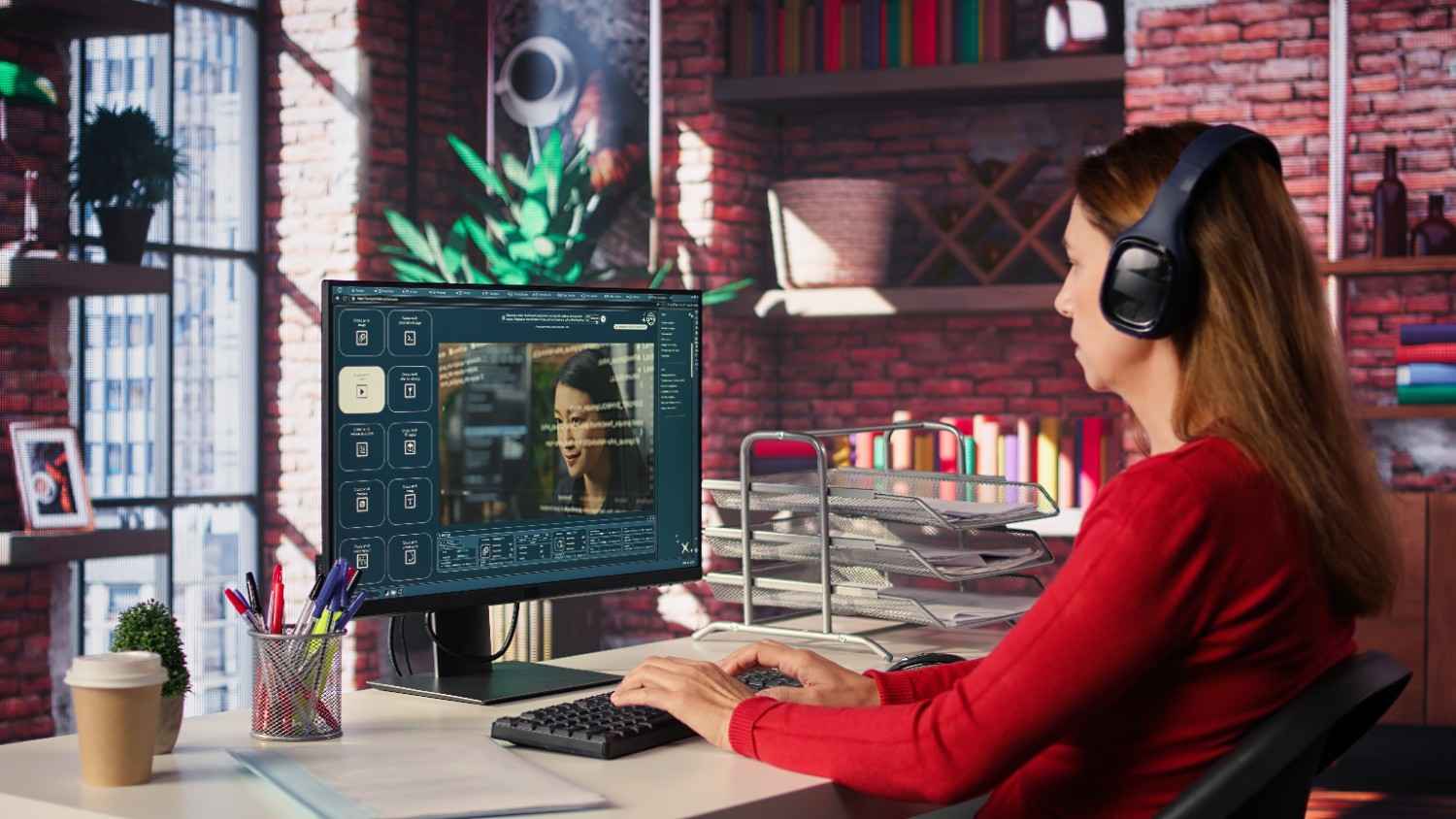
The use of motion graphics is on the rise due to the need to capture user attention quickly within social media platforms and corporate presentations. Motion graphics allow viewers to comprehend information more effectively than still image options.
The Growing Demand for Animated Content
Currently, each of the major social media platforms favors and gives precedence to video content in their algorithms.
If Creators and Businesses do not implement the use of video or motion graphics into their overall marketing & advertising strategy, then these Creators and Businesses are going to become invisible to the audiences they are attempting to reach.
The success of video in the online marketplace can be validated by the extensive data that is available, which shows that video offers significantly higher returns on investment (ROI) than static, still images on every platform's engagement, share, and conversion rates.
Traditional Motion Graphics Challenges
Historically, only experts could create professional motion graphics using expensive software or programs like After Effects, which required several months of training before creating anything somewhat refined.
Many of these traditional tools fall under the broader category of graphic design software, which has long shaped how visual content is created before the rise of AI.
Moreover, even seasoned animators have difficulty producing professionally looking motion graphics quickly. It can take them hours or days of work just to produce a very short motion graphics sequence that plays for only seconds.
The Cost Factor
The costs associated with hiring a professional for motion graphics (or for the services of an agency) are quite high. Typically, an animated explainer video created by one of these professionals would likely be in the thousands of dollars and take a considerable amount of time (in most instances, weeks) to complete.
For many small businesses and independent creators, such a high cost made moving toward animated content very difficult to afford; many have continued to create only static graphics, while they know that animated content would have a more effective impact on their audience.
Enter Artificial Intelligence
Motion graphics have been heavily impacted by emerging AI technologies. What once needed experienced experts with professional software packages can be completed with the help of AI technology through automation.
The change took place much quicker than many in the industry expected. Machine Learning (ML) algorithms have been taught to identify visual composition/design, time, and movement based on many video samples (i.e., millions).
How AI Motion Graphics Generation Works
Modern AI systems analyze text inputs to understand the message you want to convey. They then assemble appropriate visual elements, apply animation treatments, and sync everything to audio automatically.
The process mirrors how human animators think but executes at machine speed. Scene composition, transition timing, and visual emphasis all happen without manual keyframing or timeline editing.
From Text to Finished Video
The most powerful ai motion graphics tools accept simple prompts and transform them into complete animated sequences. Describe your concept in plain language, and the AI handles the technical execution.
This text-to-video approach democratizes motion graphics creation entirely.
Anyone who can write a clear description can now produce animated content that previously required professional expertise.
Quality That Surprises
AI-generated graphics used to look very artificial and unrefined, but today, many Motion Graphics produced by AI systems are nearly impossible to tell apart from Motion Graphics created by human designers.
The improvements in quality over the years have come from the advancements in the training datasets used to build the AI & the increase in understanding of the fundamental principles of design by AI systems.
AI now understands the principles of design, including visual Hierarchy, Pacing, & Consistency with Brand.
Speed Advantages
AI can accomplish in seconds or minutes what takes a human animator hours or days to finish. With this ability, there is now a new way for creators to work when producing new content.
Creating new content with a fast turnaround option (ability to rapidly iterate) allows creatives to experiment with multiple variations, test them for effectiveness as part of developing their own style, and tweak and refine their ideas without worrying about the cost associated with producing the content.
Use Cases Transforming Industries
Social media managers leverage AI motion graphics to maintain consistent posting schedules. Creating daily animated content becomes feasible when production time drops dramatically.
Marketing teams produce promotional videos at an unprecedented scale. Campaign variations for different audiences, platforms, and messages no longer require proportional increases in production resources.
Explainer Videos Made Accessible
Complex ideas benefit enormously from animated explanation. AI tools convert product features, processes, and data into visual stories that audiences actually understand.
Startups and small businesses can now create professional explainer content without enterprise budgets. The playing field has leveled significantly in terms of visual communication capabilities.
Educational Content Revolution
More and more teachers and trainers are using motion graphics as part of their instructional materials. When translated through purposeful animation, abstract ideas become more tangible/realistic.
By taking advantage of AI generation technology, individual educators are now able to create unique instructional animations. Educators can create tailored visual content specific to lessons or individual students' needs.
Brand Consistency at Scale
Maintaining visual identity across numerous videos traditionally required strict guidelines and careful oversight. AI systems now apply brand elements automatically and consistently.
Upload your logo, specify your colors, and every generated video reflects your brand identity. This automation ensures recognition builds with every piece of content published.
Platform Optimization
Different social platforms have different optimal formats and styles. AI tools automatically adapt motion graphics for TikTok, Instagram Reels, YouTube Shorts, and LinkedIn.
This multi-platform optimization eliminates the tedious process of reformatting content for each destination. Create once, publish everywhere with appropriate adjustments handled automatically.
The Human Element Remains
AI doesn't replace human creativity but amplifies it. The best results come from thoughtful prompts, clear creative direction, and strategic thinking about messaging.
Creators who understand their audience and craft compelling narratives still hold the advantage. AI simply removes technical barriers between vision and execution.
Prompt Crafting as a New Skill
The development of strong prompting skills has been a key driver of the success of both individuals and organizations since the introduction of AI.
The more detailed and precise the directive is from a user to an AI system or tool, the better the output received will be.
The learning process of how to best use AI systems requires Time and Effort, but will yield outstanding returns. Those skilled in this area will obtain the greatest overall benefit from such systems.
Integration With Existing Workflows
Modern AI motion graphics tools connect with broader content creation ecosystems. Import scripts, blog posts, or outlines and watch them transform into animated videos.
This integration streamlines production pipelines significantly. Content teams can repurpose written materials into video format with minimal additional effort.
Voice and Audio Synchronization
Advanced systems synchronize visual elements with voiceover automatically. Text appears on screen precisely when spoken, and emphasis moments align perfectly.
Voice cloning technology allows consistent narration across unlimited videos. Record one sample, and AI generates a natural-sounding voiceover for all future content.
Accessibility Benefits
Motion graphics with proper captioning and visual structure improve content accessibility. AI tools increasingly build these considerations into their outputs automatically.
Reaching broader audiences, including those with hearing impairments, becomes easier when accessibility features come standard. Inclusive design happens by default rather than requiring extra effort.
Cost Comparison Reality
The economics strongly favor AI-assisted motion graphics production. What cost thousands from agencies now costs a fraction through AI tools.
Small teams and individual creators access capabilities previously reserved for well-funded marketing departments. Budget constraints no longer determine visual content quality.
Learning From AI Output
Studying AI-generated motion graphics teaches principles of effective animation. Observe timing choices, transition styles, and compositional decisions to improve your creative eye.
This educational aspect adds value beyond the content itself. Users develop better visual instincts through exposure to well-crafted automated outputs.
Customization and Control
Despite automation, modern tools offer significant creative control. Specify styles, pacing, emphasis points, and visual treatments to guide AI toward your vision.
The balance between convenience and customization continues improving. Each generation of tools offers finer control while maintaining ease of use.
Future Trajectory
In the future, AI is expected to continue expanding its capabilities for motion graphics. Longer format development, more complex sequences, and higher fidelity output are only the beginning of what we can expect to see.
By incorporating these tools into their workflow and staying up-to-date with them, businesses have an ongoing competitive edge. Those who adopt these technologies now will have a clear advantage as the technologies become fully developed.
Getting Started Recommendations
Begin with simple projects to understand AI motion graphics workflows. Short social clips or basic explainers provide ideal learning opportunities.
Experiment with different prompt approaches to discover what works best. The investment in early experimentation pays off through improved results on important projects.
Measuring Success
Track engagement metrics on AI-generated motion graphics content. Compare performance against static posts and traditionally produced videos.
Data typically validates the effectiveness of animated content. Let results guide your investment in motion graphics production capabilities.
Collaboration Possibilities
Teams can now collaborate on motion graphics projects without specialized software expertise. Share prompts, iterate on concepts, and produce final content together.
This democratization transforms creative collaboration dynamics. Contributors bring ideas rather than technical skills, expanding who can participate meaningfully.
Quality Assurance Practices
Review AI outputs before publishing to ensure accuracy and brand alignment. Human oversight remains important even as AI capabilities improve.
Establishing review workflows prevents errors from reaching audiences. The combination of AI speed and human judgment produces optimal outcomes.
Conclusion
The motion graphics landscape has transformed irreversibly through artificial intelligence. Barriers that once limited animated content creation to specialists have fallen entirely. Creators and businesses who embrace these tools gain significant advantages in capturing audience attention.
Those who hesitate risk falling behind as competitors leverage AI to produce compelling visual content at unprecedented speed and scale. The future belongs to those who combine human creativity with AI capability.
Start exploring motion graphics generation today and discover how animated content can elevate your communication across every platform.




Subscribe & get all related Blog notification.


Post your comment