Should You Build Your Software in the Cloud or Locally?

 25 Nov 2026
 Reading Time : 10 Minutes
This article compares cloud-based and local software development to help businesses choose the right approach based on their requirements. It explores their advantages, costs, performance, scalability, security, compliance, team expertise, and collaboration needs while highlighting the importance of long-term business goals.
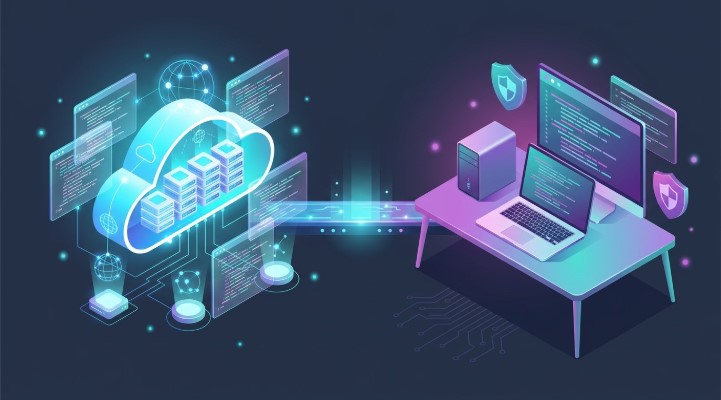
In today's rapidly evolving technological landscape, businesses face a critical decision when it comes to software development: should they build their applications in the cloud or rely on local development? Each approach offers distinct advantages and challenges that can significantly impact performance, cost, security, and overall business strategy. As organizations strive to enhance efficiency and scalability, understanding the implications of cloud versus local software development is essential. This article will explore the key factors to consider when making this choice, helping you determine the best path for your organization's unique needs.
Understanding Cloud Computing vs. Local Development
Defining Cloud Computing
Cloud computing is like a magical toolbox floating in cyberspace. Instead of storing software and data on your trusty old hard drive, you access everything online via the internet. This means you can tap into resources, applications, and storage from anywhere with a Wi-Fi connection-like a tech-savvy nomad! Popular cloud providers like AWS, Google Cloud, Azure, DigitalOcean and Kamatera, let you rent space and services on-demand for cloud-based SaaS development, so you only pay for what you use, making it a flexible choice for many. For developers who want dedicated NVMe SSD resources and full root access without the complexity of hyperscale cloud platforms, hosting providers like VPSserver offer a fast, customizable middle ground.
What is Local Development?
Local development is when you roll up your sleeves and build software right on your own machine. Think of it as having your kitchen stocked with all the ingredients to whip up a fine meal-your computer hosts the software, data, and everything you need to cook up that delicious code. This approach gives you more direct control over your development environment and can lead to faster performance since you’re not relying on the internet to serve your culinary delights or code!
Key Advantages of Cloud-Based Software
Flexibility and Accessibility
One of the biggest perks of cloud-based software is its flexibility and accessibility. You can access your applications from anywhere with an internet connection-whether you're lounging at a café or working remotely in your pyjamas. Need to scale up your resources for a big project? No sweat! With cloud solutions, you can ramp up (or down) quickly, adjusting to your needs faster than you can say "Wi-Fi."
Automatic Updates and Maintenance
Cloud services are like that friend who always remembers to change the oil in your car without you having to ask. With automatic updates and maintenance powered by modern cloud architecture, you don’t have to worry about keeping your software up-to-date or fixing bugs - your cloud provider has got your back. You get all the latest features and security upgrades without lifting a finger, which means you can spend more time coding and less time managing.
Disaster Recovery and Backup Options
Cloud computing provides robust disaster recovery and backup options, akin to a superhero on standby for when things go awry. If your server goes down (or worse, your computer gets sucked into the black hole of a coffee spill), cloud services often include automated backups. This means you can restore your data with a few clicks and get back to business as usual-no capes required.
Benefits of Local Software Development
Customization and Control
Local development is like building your dream house; you can customize every last detail to fit your needs. Having control over your environment allows you to tweak configurations, employ specific tools, and develop software without being constrained by the limitations of a cloud platform. If you want to try out an unusual framework or create a custom setup that fits your workflow like a glove, local development is your best friend.
Performance Optimization
When it comes to performance, local development can take the cake (and eat it too). Since everything runs on your hardware without the latency of an internet connection, you might find faster processing speeds and snappier performance. Developers often enjoy more direct access to their resources, which can be especially beneficial during resource-intensive programming tasks.
Data Privacy and Compliance
For businesses handling sensitive information, local development provides an added layer of data privacy and compliance. By keeping everything on-site, you can implement security measures that align with industry regulations. No need to trust a third party with your data-you're the captain of this ship, navigating through the regulatory seas with confidence.
Cost Considerations for Cloud vs. Local Solutions
Initial Investment vs. Ongoing Costs
When deciding between cloud and local solutions, the initial investment and ongoing costs should be top of mind. Cloud services often involve a pay-as-you-go model, so you can start small and scale as needed. Conversely, local development may require a heftier upfront investment in hardware and software but can lead to lower ongoing expenses if you’re diligent about maintenance.
Hidden Costs of Cloud Services
Cloud services seem like a deal until the hidden costs come out to play. Examples include unexpected data transfer charges, storage fees for backups, and costs associated with exceeding your service limits. It’s essential to read the fine print and budget for these potential expenses to avoid breaking the bank because of a surprise from your cloud provider.
Long-Term Financial Implications
While cloud solutions might feel cheaper initially, consider the long-term financial implications. Subscription fees can add up over time, and if your usage spikes, so do your costs. On the flip side, local development might require a larger upfront cost, but it could save you money in the long run, especially if you can manage maintenance effectively. Overall, weigh your projected growth and budget to find the best fit for your wallet!
Performance and Scalability: Cloud vs. Local
Speed and Latency Factors
When it comes to speed, local development often gets the upper hand. Your servers are in your own backyard (figuratively speaking, of course), which means less latency. However, cloud services have come a long way and can offer impressive performance-especially with content delivery networks (CDNs) that cache data closer to users. If your user base is spread out like a teenager’s dirty laundry, cloud solutions might just tuck the mess away neatly.
Scalability Options for Growing Businesses
Cloud services allow you to scale up (or down) with the ease of adjusting your Netflix subscription. Need more storage? Boom! You’re upgraded. Local solutions, on the other hand, require planning and investment upfront-imagine trying to fit a new sofa in a tiny apartment. For rapidly growing businesses, the cloud - or high-performance virtual servers - could be the perfect living room solution, ready for a spontaneous party at any moment.
Security Implications of Each Approach
Data Security in the Cloud
Cloud security is like a double-edged sword-it’s convenient but needs to be handled with care. Most reputable cloud providers invest heavily in security infrastructure, often better than a mid-sized company could afford. However, you still have to consider the risk of data breaches and ensure your provider encrypts data both at rest and in transit (you know, like a digital Fort Knox). Be diligent about access controls, or it might be like leaving your front door wide open.
Local Development Security
Measures With local development, you’ve got the keys to the castle. You control the hardware and software, enabling you to implement security measures tailored to your needs. However, that also means you’re responsible for keeping the castle safe! Regular updates, firewalls, and employee training become your new best friends. Just remember, no matter how secure you think you are, a determined hacker could make a magician’s escape look like child’s play.
Compliance with Industry Regulations
Depending on your industry, you might face stringent compliance requirements (HIPAA, GDPR, or PCI-DSS, anyone?). Cloud providers usually have compliance certifications that can ease your burden, helping you sleep better at night. Local setups require a bit more homework, as you’ll need to ensure your internal processes comply. It’s the difference between a straight-A student and someone who “has potential.”
Assessing Your Team's Skills and Resources
Technical Expertise Required for Each Model
Let’s get real: your team’s expertise can make or break your software decision. If your developers are cloud-savvy wizards, why not take advantage of their skills? Conversely, if they’re more comfortable fine-tuning local systems like a mechanic under the hood, bring in an experienced software development partner to bridge any cloud-native gaps is the route to take. Choosing the right model without considering your team's skill set is like picking a Navy SEAL for a baking contest-neither is going to end well.
Team Collaboration and Workflow
Considerations Collaboration is key! Cloud solutions often come with built-in collaboration tools and automation in software development
that make teamwork as seamless as a hot knife through butter. Remote work has become the new normal, making the cloud an appealing option for teams scattered about like confetti. On the flip side, local setups can foster a sense of camaraderie and hands-on teamwork, but distance can be a hurdle if your team is not in one physical location. Choose what fosters the best workflow for your crew!
Making the Right Choice for Your Business Needs
Evaluating Business Requirements
Before you dive headfirst into the cloud (or take the plunge into your server room), take a moment to consider your business needs. Is your software solution time-sensitive? Do you anticipate sudden spikes in demand? Map out your requirements like you’re crafting a treasure map-because in the software world, finding the right solution is the real gold.
Long-Term Vision and Strategy
Flexibility is the name of the game in today’s fast-paced world. Think about where you see your business in five years. Will your chosen model still fit, or will it feel like wearing a pair of shoes a size too small? Build your software strategy with an eye on the future, allowing for growth or pivots as necessary-like a good yoga stretch.
Case Studies and Real-World Applications
Sometimes the best teacher is experience-after all, we learn a lot from others’ rickety journeys. Look for case studies relevant to your industry; they can provide insights on what worked, what didn’t, and the lessons learned along the way. You don’t want to reinvent the wheel unless you’re ready to take it for a spin!
Ultimately, the decision between building software in the cloud or locally depends on your organization's specific needs, resources, and long-term goals. By carefully evaluating the advantages and disadvantages of each approach, you can make an informed choice that supports your business objectives and fosters growth. Whether you opt for the flexibility of cloud solutions or the control of local development, understanding these factors will help you navigate the complexities of software development in today's digital age.
Frequently Asked Questions
1. What are the main differences between cloud and local software development?
Cloud software development typically offers greater flexibility, accessibility, and scalability, while local development provides more control over customization and data privacy.
2. Is cloud software more expensive than local development?
The cost can vary based on several factors, including initial investment, ongoing fees, and hidden costs. Businesses should evaluate both options in relation to their specific financial situation.
3. How does security differ between cloud and local development?
Cloud services often have robust security measures but are vulnerable to breaches, while local development allows for more direct control over security protocols. Each approach presents unique risks and benefits that must be considered.
4. Can a business switch from cloud to local software development, or vice versa?
Yes, businesses can transition between cloud and local solutions, but it may involve significant planning and resources to ensure data integrity and minimize disruption.




Subscribe & get all related Blog notification.




Post your comment