How Networking Impacts Growth for SEO Agencies

 8 Apr 2026
 Reading Time : 6 Minutes
Networking is an underrated yet powerful growth channel for SEO agencies, driven by relationships rather than traditional marketing tactics. This article explores how consistent presence at events, value-driven conversations, collaborations, and platforms like LinkedIn help agencies build trust, generate referrals, and create long-term opportunities. By focusing on authentic interactions instead of direct selling, agencies can unlock sustainable business growth over time.
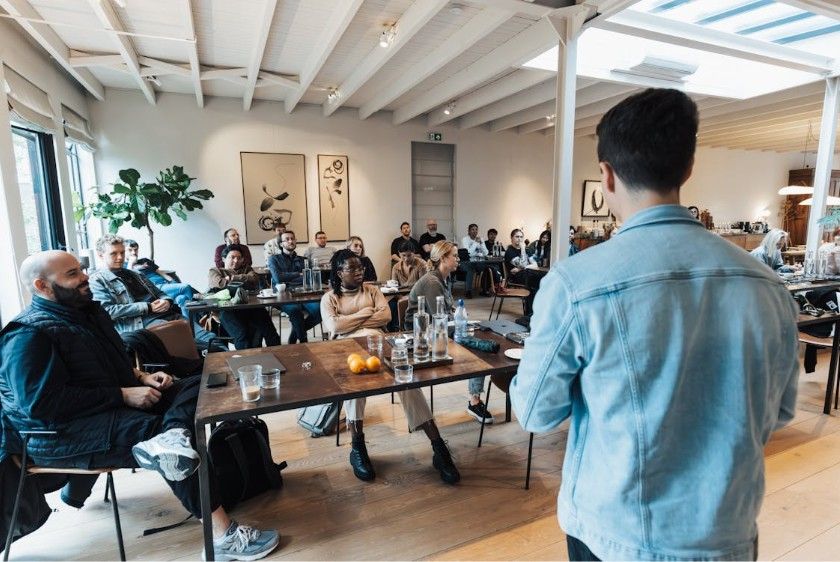
A lot of agencies focus heavily on rankings, SEO tools, and deliverables. That part is expected. It’s measurable, trackable, and easy to present. What doesn’t get talked about as much is how often work actually comes from conversations. Not campaigns. Not ads. Just people knowing you exist.
You see it happen over time. Someone remembers a name from a discussion months ago. A casual interaction turns into a project later. No pitch was involved at the start. It doesn’t feel like a strategy in the usual sense. More like being around, consistently, in the right spaces. Talking, listening, staying visible without forcing anything.
And it’s not always immediate. That’s the part that throws people off. Networking doesn’t always give quick results. It sits there, builds slowly, then something comes out of it later when you’re not expecting it.
Strategic Presence in Industry Gatherings
Being in the room changes things. Not in a dramatic way. You don’t walk into a conference and walk out with clients lined up.
You hear how people talk about problems. What they’re struggling with. What they care about right now. Those details don’t always show up in reports or online discussions. They come out in conversation. Side chats, quick exchanges, and small groups standing around after a session.
And then over time, those faces become familiar. You see the same people again somewhere else. A quick nod turns into a conversation. A conversation turns into a sense of recognition. SEO events tend to play a big role in that. Not because of the presentations alone, but because of everything happening around them. The in-between moments. The parts that aren’t scheduled are usually where the actual connections form.
Creating Value-First Conversations
Most people can tell when a conversation is heading toward a pitch. It changes the tone almost immediately. Things become a bit guarded. Less open. When the conversation stays focused on the topic itself, it flows differently. Sharing something useful, pointing out something someone might have missed, or just offering a quick perspective without trying to sell anything. That tends to stick.
People remember useful conversations. Not because they were impressive, but because they helped in some small way. And later, when something comes up, that’s what comes back to mind. Not the pitch. Just the interaction.
Building Referral Pipelines Through Peer Agencies
Other agencies aren’t always competitive in the way people think. A lot of the time, they’re dealing with overflow. Or projects that don’t quite fit what they do. Or timelines they can’t meet. That’s where referrals start to happen. Not from formal agreements most of the time. Just from knowing someone reliable who can take something on without making it complicated.
Those connections don’t come from cold outreach. They come from repeated interactions. Conversations over time. Seeing how someone works, how they think. Once that trust is there, work gets passed along without much friction.
Collaborating With Content Creators and Copywriters
Content and SEO overlap constantly. It’s hard to separate them. Writers often run into situations where something feels right from a content perspective but needs structure from an SEO side. Or the other way around. That’s where collaboration tends to happen naturally.
It doesn’t always start as a formal partnership. Sometimes it’s just helping on a piece, offering input, adjusting something small. Then it builds from there.
Using LinkedIn as a Relationship Hub
A lot of networking doesn’t end where it starts. You meet someone once, then the connection sits there unless something keeps it active. That’s usually where LinkedIn comes in. Not in a heavy posting or self-promotion kind of way. More in small interactions. Commenting, reacting, staying present without forcing visibility.
You start seeing what people are working on, what they’re sharing. It keeps the connection from getting cold.
Hosting Niche-Focused Meetups
Big events can feel like movement more than connection. You talk, then shift, then repeat. Nothing really settles. Smaller meetups don’t move like that. You end up staying in one place longer: same people, same conversation stretching out a bit. Sometimes it goes nowhere. Sometimes it turns into something useful halfway through.
There’s less pressure, too. People don’t try as hard to sound polished. Things come out more directly. A bit unfinished, but clearer. You leave with fewer contacts, maybe. But the ones you remember feel more… real.
Sharing Case Studies Within Networks
Case studies don’t really feel like “case studies” in conversations. They show up casually. Someone mentions a result without setting it up. No buildup. Just drops it into the discussion and moves on. That’s usually enough.
It lands differently that way, and you don’t feel like you’re being shown something. You just hear it and remember parts of it. Not all the details, just the outcome. And that’s usually what matters.
Building Trust Through Informal Interactions
Formal conversations stay on the surface most of the time. It’s the in-between moments that shift things, standing around after something ends or walking out of a room together. Random side chats. No one is trying to prove anything there. You hear how people actually think. The way they explain things when they’re not presenting.
Those moments don’t feel important at the time. But they stay. And later, when something comes up, those are the interactions that matter more than anything formal.
Engaging in Cross-Industry Networking
Staying in the same space too long starts to feel predictable. The same kind of conversation is true. Same language. You already know how much of it will go. Step outside, and it feels slightly off at first.
People talk about things differently. Priorities shift. The way problems are explained doesn’t line up exactly. It takes a second time to adjust. Then something clicks, not everything, just parts of it. And those parts tend to stay with you longer than expected.
Creating a Recognizable Personal Presence
People don’t hold onto full profiles—just pieces. A certain way of saying things. A tone that feels familiar. Something repeated enough times to stick. It builds slowly. You don’t notice it happening while it’s happening.
Then later, someone refers back to something you said. Not exactly, just the idea of it. That’s usually how recognition works. Not loud. Just consistent enough.
Participating in Online Communities
Online spaces don’t pause. They just keep going. You step in, say something, and leave. Come back later, and it’s moved on. However, you don’t have to keep up with everything, just enough to stay part of it.
Names start to feel familiar after a while. Not because they’re everywhere, but because they show up consistently.
Nothing here feels direct. You talk to people, then nothing happens. Then something does, later, somewhere else. It doesn’t connect in a straight way. More fragments that sit around for a while, then come together when you’re not really expecting them.




Subscribe & get all related Blog notification.




Post your comment