Online security in 2026: what actually matters when choosing protection

 6 May 2026
 Reading Time : 6 Minutes
Online security has become increasingly important in 2026 as cyber threats grow more sophisticated. This article explains the differences between VPNs and antivirus software, common security mistakes, public WiFi risks, and what users should consider when choosing cybersecurity tools.
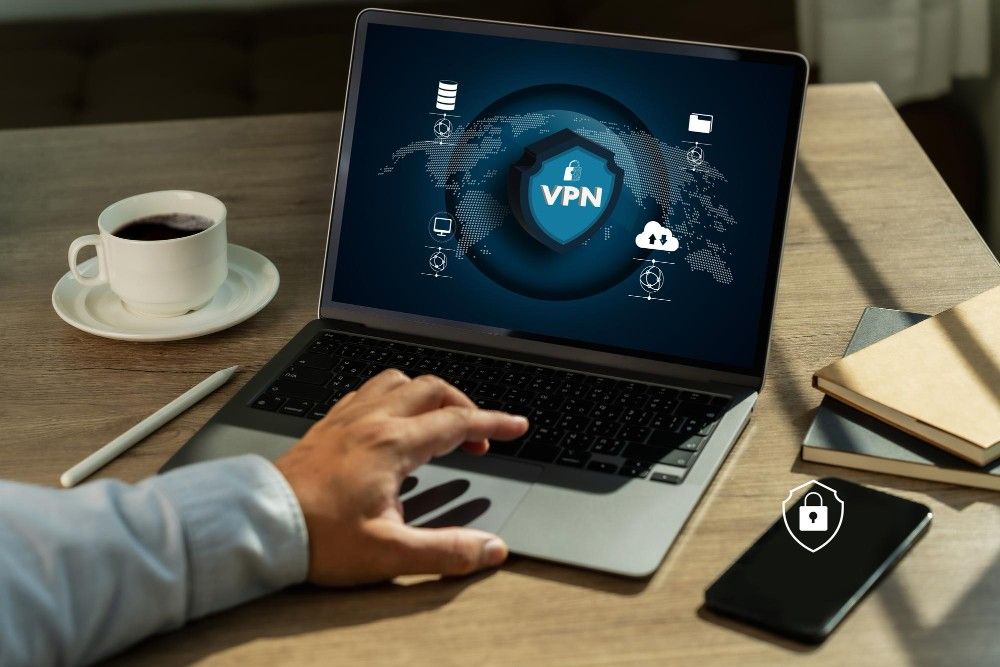
A few years ago, online security was something most people barely thought about. You installed antivirus software once, ignored the occasional update notification, and carried on with your day. That approach does not really work anymore.
In 2026, digital threats have become much more convincing. Scam emails no longer look obviously fake, phishing websites can look identical to the real thing, and public WiFi networks still create major risks for people who work remotely or travel frequently.
At the same time, there are more cybersecurity tools available than ever before. Every provider claims to offer better privacy, stronger protection, or faster performance. For most people, that creates confusion rather than clarity.
The truth is that online security is no longer about finding one “perfect” tool. It is about understanding where your biggest risks are and choosing protection that fits the way you actually use the internet.
Why people are paying more attention to cybersecurity now
Most users only start taking online security seriously after something goes wrong. Maybe a social media account gets hacked, a bank card is used fraudulently, or a laptop suddenly becomes locked by ransomware.
What changed recently is how normal these situations have become.
Scams are now far more believable because attackers use AI to generate realistic emails and messages. Some phishing attempts even include personal details taken from previous data leaks or public social media profiles. That makes them harder to spot, especially when you are distracted or checking emails quickly on your phone.
It is not only businesses dealing with these problems anymore. Regular users are targets too, especially people who travel often, work remotely, or spend a lot of time connected to public internet networks.
Some users prefer all-in-one solutions, while others would rather use separate tools like Surfshark VPN, antivirus protection, and password management. There is no single setup that works for everyone, which is exactly why choosing security software has become more personal than it used to be.
VPNs and antivirus software are not the same thing
A surprising number of people still think a VPN replaces antivirus software. It does not.
Antivirus software protects your device itself. It scans downloads, files, and applications for malware, spyware, ransomware, and other suspicious behavior. If something harmful ends up on your laptop or phone, antivirus software is supposed to catch it before it causes damage.
A VPN does something completely different. It protects your internet connection by encrypting your traffic and masking your IP address. This is especially useful when using public WiFi at places like airports, cafés, hotels, or coworking spaces.
One protects the device. The other protects the connection.
That is why many people now combine multiple tools instead of relying on only one piece of software.
The biggest online security mistakes people still make
Reusing passwords everywhere
This is still incredibly common. People use the same password across email accounts, streaming services, shopping platforms, and work tools because it feels convenient.
The problem is simple. Once one platform gets breached, hackers immediately test the same login details elsewhere.
Using unique passwords for every account sounds annoying, but password managers make this much easier now than it used to be.
Ignoring software updates
A lot of people postpone updates because they interrupt work or take too long. The problem is that many updates exist specifically to patch security vulnerabilities that attackers already know about.
Outdated software is one of the easiest targets for cybercriminals.
That applies not only to laptops and phones, but also to routers, smart TVs, and smart home devices.
Clicking too quickly
Most phishing attacks succeed because people react too fast. Someone sees a message saying a package could not be delivered or a bank account needs verification and clicks before thinking.
Slowing down sounds basic, but it genuinely prevents a huge number of scams.
Public WiFi is still riskier than most people think
People connect to public internet every day without thinking twice about it. Hotels, airports, cafés, and trains all offer free WiFi, which is convenient, but also creates opportunities for attackers.
Not every public network is dangerous, but unsecured connections can expose browsing activity or login information if traffic is intercepted.
This becomes more relevant as remote work continues growing. Many people now work from different locations throughout the week instead of sitting in one office full time.
That flexibility is great, but it also means personal devices constantly connect to networks users know very little about.
What actually matters when choosing security softwaree
There are hundreds of security products online now, which makes comparing them frustrating. Most websites list endless technical features without explaining what genuinely matters for normal users.w
A few things are actually worth paying attention to.
Transparency
Security companies make a lot of promises. Independent audits matter because they verify whether a provider’s privacy claims are real or simply marketing language.
That has become especially important for VPN providers.
Ease of use
This sounds less important than security features, but it matters a lot in practice.
Some security programs constantly show notifications, slow devices down, or overload users with complicated settings. Eventually people disable half the features or uninstall the software completely.
The best security setup is usually one you will realistically continue using long term.
Device support
Most people no longer use just one device. Phones, laptops, tablets, and desktops all contain personal data and saved accounts.
Protection should work smoothly across all of them.
Users comparing VPN options often look at a detailed comparison of internet security software before subscribing because pricing, privacy policies, and device limits can vary more than expected.
Free security tools are usually limited
Free antivirus tools and VPNs still exist, but there is almost always a trade-off involved.
Some limit important features. Others show ads, restrict bandwidth, or provide weaker protection than paid alternatives. In some cases, free VPN services have even faced criticism for collecting user data.
That does not mean every paid product is automatically good, but completely free protection often leaves major gaps.
For people storing banking details, work documents, or sensitive information online, investing in decent protection is usually worth it.
Online security is not something you “finish”
A mistake many people make is thinking cybersecurity works like buying a smoke detector. Install it once and forget about it.
That is not how online threats work anymore.
Scams evolve constantly. AI-generated phishing emails are already much more convincing than they were only two years ago. Fake websites and impersonation attempts continue improving as well.
Good online security is mostly about habits:
-
updating software regularly
-
using different passwords
-
enabling two-factor authentication
-
avoiding suspicious links
-
backing up important files
-
paying attention when something feels off
Most major security problems happen because of small mistakes repeated over time.
Final thoughts
Choosing online protection in 2026 is less about chasing the most advanced software and more about reducing unnecessary risk.
Most people do not need enterprise-level cybersecurity systems. They need practical protection that works consistently and fits naturally into daily life.
Understanding the difference between VPNs, antivirus software, password managers, and privacy tools already puts you ahead of a large number of internet users. The rest comes down to staying cautious, keeping devices updated, and avoiding the habit of assuming “it will never happen to me.”




Subscribe & get all related Blog notification.




Post your comment