Understanding the Inner Workings of AI Image Editing, Its Applications and the Future Trends

 6 Aug 2026
 Reading Time : 6 Minutes
This article explores how AI image generation and editing work, the technologies behind modern AI-powered image tools, and their growing applications across content creation, marketing, e-commerce, and personal use. It also covers key features to look for in AI image editors, emerging trends, ethical considerations, and practical tips for getting the best results from AI-powered image editing platforms.
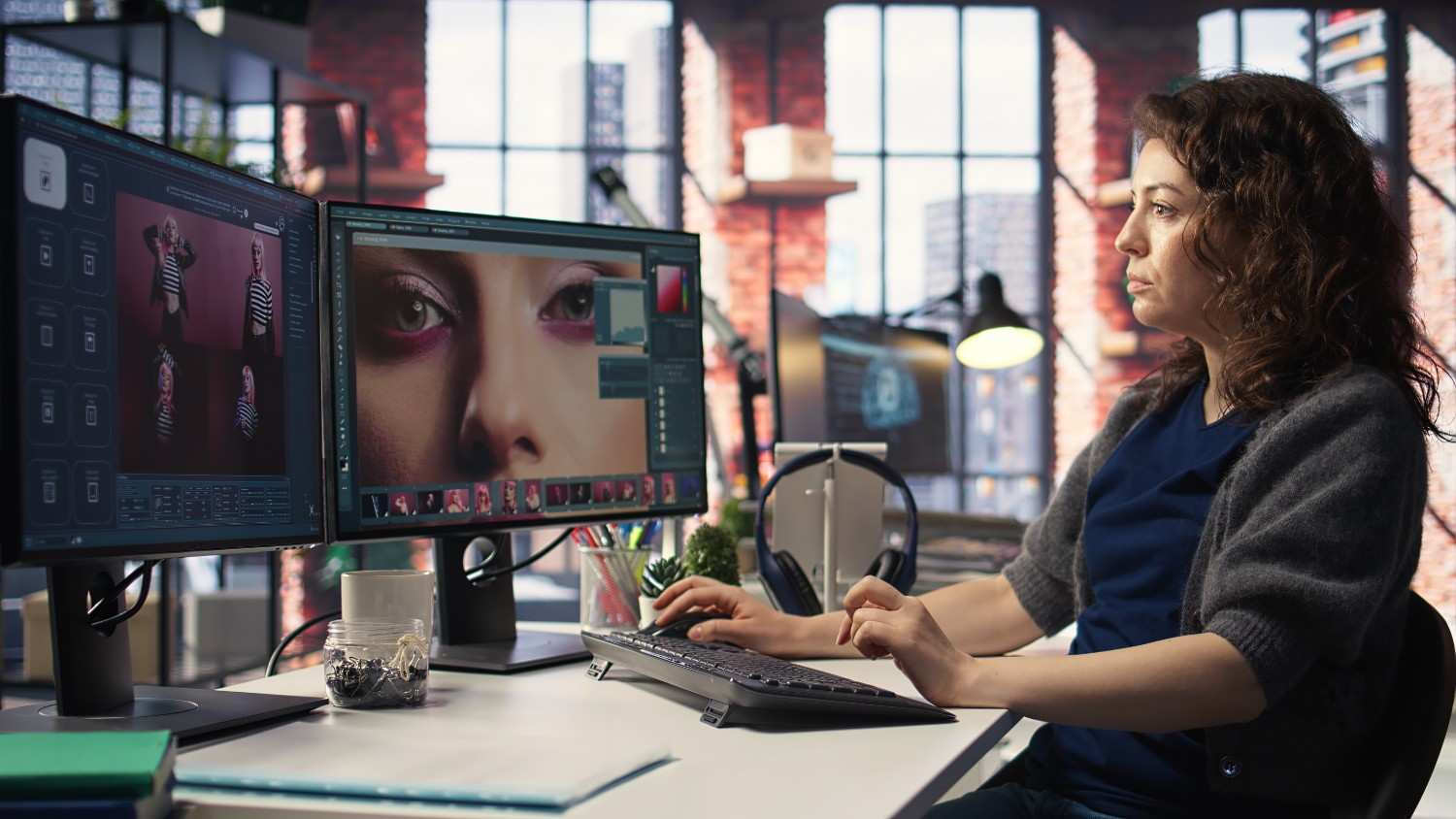
For the majority of computer history, fine tuning a photo required a lot of time and learning of complex software, and remembering a lot of menus. The creation of original art was even more difficult, and often involved actual drawing or design talent. But AI has sneaked in and changed those rules. With today's software, you can give it a brief description in a regular sentence, and it will create or modify a picture in seconds. This change has made images far more accessible to create, and is transforming the way businesses, creators, and consumers are interacting with images.
It outlines the technology of AI image generation and editing, how it works, the distinguishing characteristics of high-quality AI tools, where humans are currently using this technology and where it's going next.
What Is AI Image Generation and Editing Anyway?
AI image technology has two primary functions. The first is generation which is the creation of new images from a written description. The second is editing; making edits to an existing photo using simple, natural language instructions. They're both controlled by natural language, so you talk to the tool in your own terms instead of using technical controls and complex menus.
The unique mix of that makes the current generation of tools different from their predecessors, the photo editors. You don't have to know the location of each slider and each layer, you just instruct the software, and it does it. Technical work still occurs under the hood, it's just behind a veil of simple words.
This Is How the Technology Works
These tools are not machine learning experts, so a simple model of the machine can be helpful. The underlying systems are trained on vast quantities of images and text, and learn the similarities and differences between words and the visual world. As you write a prompt, the model understands what you're saying and creates an image that corresponds.
The technology is really impressive in editing. You provide a photo and a statement about what has changed, and the model determines what parts of the photo your description is referring to, then makes the edits and leaves the rest of the photo alone. Request it to change a jacket into red, and it will find the jacket, recolor it in red and preserve the rest of the image, such as the small details that make an image look real. The best modern models also have a good grasp of the real world, they know what light should be like and what materials should look like, so that the results look real, not obvious. The complete exchange typically lasts for seconds.
The Features That Make Up a Strong AI Image Tool
The AI image space is saturated but some of the tools stand out as the ones that deserve to be used.
The big attraction is conversational editing: You can pick up an object, swap out a background or tweak lighting in a single sentence. Also important is identity and character consistency – a feature that was a huge painstaking headache for tools for years. In multi-image composition, you can use multiple images to create a unified scene, allowing the AI to adjust perspective, scale, and lighting to give the composition a more intentional look. In addition, you should seek exact local control, including image removal, background replacement, upscaling to a higher resolution, and image outpainting, which adds a detail to an image outside of the frame.
Last but not least, accessibility is a factor more important than expected. The most valuable tools are those that are web-based and don't need to be installed or trained. This is why the category of AI image editor has become so popular, even among beginners, as they can upload a picture, say, with a detailed description of the desired change, and get a beautifully edited one in no time.
Where AI Image Tools Are Used
The beauty of technology is the number of people who have come to depend on it. Content creators create content that's engaging and stops scrollers, and maintains a consistent visual style throughout their content. Clean product pictures and lifestyle shots are produced by small businesses & ecommerce vendors without a studio or a design budget. Marketing teams show campaigns in a matter of seconds and designers prototype concepts in seconds before making a decision.
It can also be used for other purposes. The people they help are ordinary, such as those who have damaged family photos they want restored, strangers in vacation photos they want removed, and normal snapshots they want to share. AI images are used by educators and bloggers to visually convey an idea. The common theme is that tasks that previously required the skills of an expert and/or costly software or paying a professional now can be achieved by anyone who can articulate what they want.
AI's Impact and the Future of the Technology: The Influence of AI and the Direction in Which It Is Heading
The rate of progress in this area is very high and there are a number of trends that suggest where progress might continue to go in the future. Models' understanding of the real world is improving, thus minimizing weird anomalies that gave away the AI-generated image. There's improved resolution and in-image text rendering, which makes the output good for professional and print. There are now several platforms that allow users to switch between a number of models from a single location and select the one that's faster for high-volume tasks and that's higher quality for more demanding ones.
There's a general trend toward unification: generation, editing, removal of backgrounds, upscaling and even video are more and more being incorporated into a single workspace. The divide will keep shrinking between a professional studio and what a single person can achieve at their desk as that goes on.
The Responsible Use of AI Image Tools
With greater capacity comes great accountability. Ethical use of these tools is important, as they can create convincing edits and realistic images. The days when a realistic image was enough to guarantee authenticity have passed, many providers now add a hidden digital watermark to the images generated to ensure they can be identified as artificial.
The fundamentals remain the same as with other users. When editing photos of others, make sure to get their consent and don't publish anything deceptive or harmful. You will benefit from this technology, if you use it as a creative partner and not a decoy for error.
Getting the Best Results
Strong output is largely a matter of good expression. The more specific you can be the better, rather than asking the tool to make it "better" you need to explain what you mean by "better", maybe brighter lighting, more warm colours, cleaner background, etc. Try to indicate a dozen changes, step by step, rather than a dozen changes at one time. These tools are fast, so experiment, test, and tweak your prompt until you get the results you want until you get them the way you envisioned.
The Bottom Line
AI image generation and editing is a real paradigm shift in the creation of images. It has eliminated obstacles that previously held high-quality imagery in the hands of experts with powerful creation features, capable editing and super user-friendliness, like the text interface of regular speech. Whether it's a creator, a business or simply a user looking for the perfect photo, the technology transforms a blank page or a less than perfect shot into an opportunity, and in just the time it takes to type a sentence.




Subscribe & get all related Blog notification.

Post your comment